How to Get 99.99% Uptime for Your EdTech Platform Without Hiring an IT Team
Every minute your EdTech platform is down, students miss live classes, parents lose trust, and revenue slips away. Achieving 99.99% uptime sounds like something only enterprise companies with full-time IT teams can pull off — but that’s no longer true.
With the right proactive monitoring and infrastructure partner, growing EdTech platforms can match enterprise-grade reliability without hiring a single in-house engineer. Here’s exactly how to do it.
Why Uptime Matters So Much for EdTech Platforms
Unlike a regular website, an EdTech platform runs live classes, exams, video delivery, and payment systems — often for hundreds of global users at the exact same peak hours. A single endpoint failure during a live session doesn’t just disrupt one user; it disrupts dozens of students simultaneously.
That’s why EdTech platform uptime isn’t just a technical metric — it’s a business survival metric, directly tied to student retention and brand trust.
The real risk isn’t just downtime itself — it’s the monitoring blind spot. Without real-time visibility, minor issues quietly compound until they become full-blown outages, often discovered only when students and educators start complaining.
1. Replace Reactive “Break-Fix” IT With Proactive Monitoring
Traditional IT support waits for something to break, then fixes it — by which point the damage to your brand is already done. The better approach is proactive IT monitoring: catching bottlenecks before they affect a single classroom.
This is exactly what ArgusOps, PCE Systems’ proprietary monitoring platform, is built for. It runs automated health sweeps across your entire infrastructure every 60 seconds, tracking servers, endpoints, applications, and network performance from one real-time dashboard.
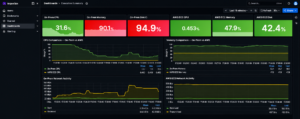
Here’s what that looks like in practice — a live ArgusOps Executive Summary dashboard monitoring both on-premises and cloud infrastructure simultaneously:
2. Get Fully Managed Monitoring — No IT Hires Needed
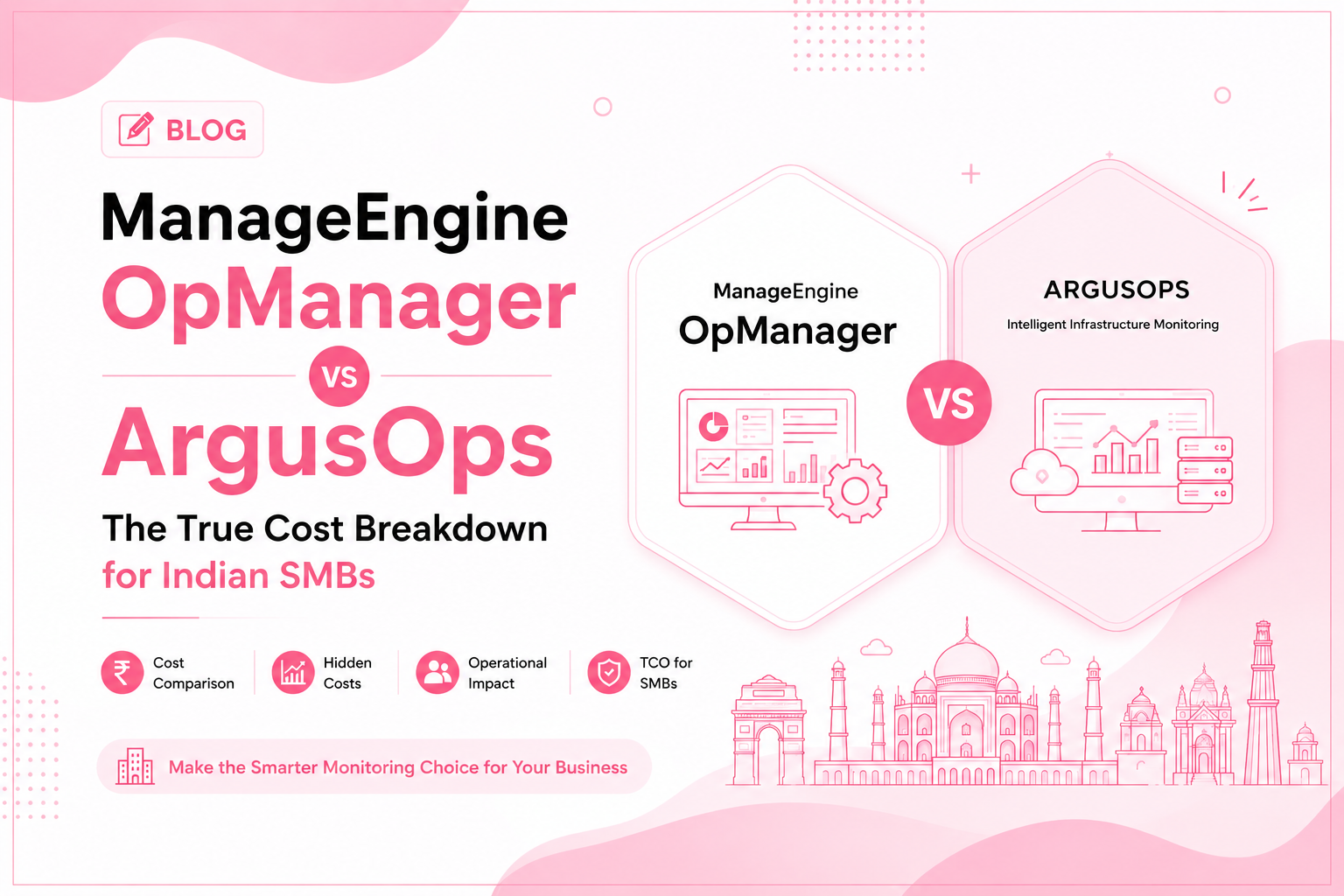
Platforms like Datadog or ManageEngine give you dashboards — but you still need a dedicated IT team to configure, interpret, and act on them. That defeats the purpose of avoiding an IT hire.
ArgusOps is fully managed end-to-end by PCE Systems’ engineering team — setup, configuration, alerting, escalation, and resolution. You get enterprise-grade observability without hiring a single monitoring engineer, letting your team focus entirely on delivering education.
3. Set Up Multi-Channel Instant Alerting
Automated alerts are only useful if your team actually sees them in time. A strong uptime strategy routes critical alerts through the channels your team already uses — email for routine issues, WhatsApp for urgent incidents, and dedicated Slack channels for round-the-clock engineering access on higher-stakes platforms.
4. Choose a Partner, Not Just a Tool
The fastest way to reach 99.99% uptime without an IT team isn’t buying more software — it’s partnering with a provider who manages that software for you.
PCE Systems offers tiered support — Foundation, Proactive Defense, and Platinum Total IT — so platforms of any size can match their uptime investment to their growth stage, with response SLAs ranging from next-business-day down to under 15 minutes, plus a named account engineer at the top tier.
Quick Checklist for 99.99% Uptime
Proactive monitoring with 60-second health sweeps (not reactive break-fix support)
Fully managed observability — zero IT hiring required
Multi-channel alerting (Email, WhatsApp, Slack)
Scalable support tiers that grow with your platform
Single-pane-of-glass visibility across on-prem and cloud infrastructure
Final Thoughts
You don’t need an in-house IT team to run a rock-solid EdTech platform. With proactive, fully managed monitoring like ArgusOps, achieving 99.99% uptime is well within reach — while your team stays focused on what matters: delivering great education.
FAQ
Q: What does 99.99% uptime actually mean?
It means your platform can be down for no more than about 52 minutes per year — a standard benchmark for enterprise-grade reliability.
Q: Do I need to hire an IT team to get this level of uptime?
No. Fully managed platforms like ArgusOps handle setup, monitoring, alerting, and incident resolution for you, so you get enterprise-grade observability without hiring internal IT staff.
Q: How is ArgusOps different from tools like Datadog or ManageEngine?
Those platforms give you dashboards but still require a dedicated team to configure and operate them. ArgusOps is fully managed by PCE Systems’ engineers end-to-end — plus it’s built and hosted in India, with INR pricing and local time-zone support.
Q: Can ArgusOps monitor both on-prem servers and cloud infrastructure?
Yes. ArgusOps monitors on-premises servers, AWS EC2 instances, Azure VMs, and hybrid environments — all from a single unified dashboard with real-time metrics and alerting.
Curious what your infrastructure blind spots look like?
We’ll run a free 15-minute diagnostic on your setup. No pitch, no commitment — just a clear picture of what’s working and what isn’t.